What Territory Roads Really Do To Your 4WD: Corrugation, Dust And Heat Damage Explained
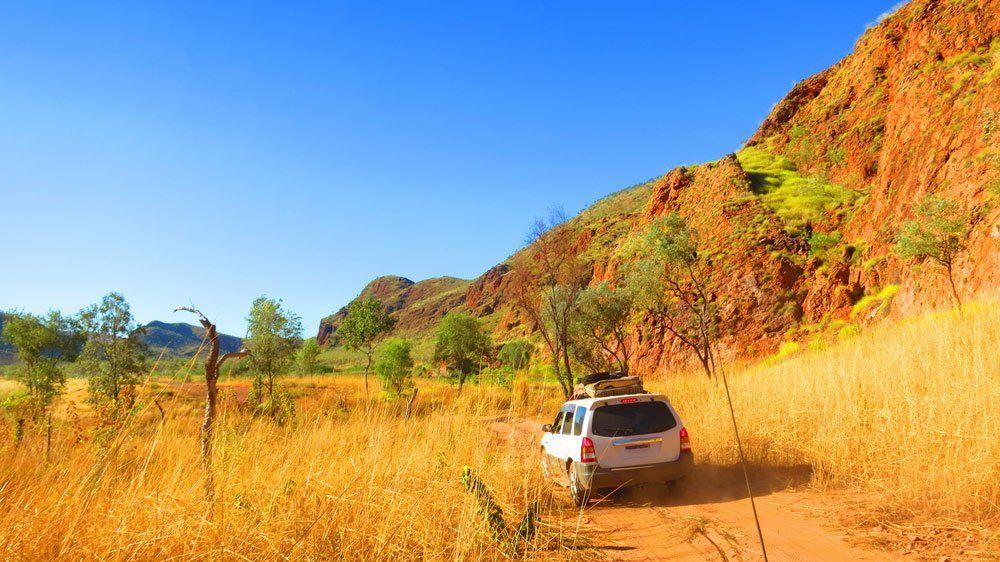
Anyone who's driven the Territory's back roads knows the feeling: an hour into a corrugated stretch, everything in the cabin starts to rattle, a fine layer of dust creeps in no matter how tightly the windows are sealed, and the dash temperature gauge sits stubbornly high. It's easy to write these off as the normal cost of getting off the bitumen. In reality, corrugation, dust and heat are doing measurable, cumulative damage to your vehicle every time you head out, and most of it happens quietly, well before anything actually breaks down on the side of the road.
Why Territory Roads Are Harder on Vehicles Than Most Drivers Realise
Unsealed Territory roads put a vehicle under a completely different kind of stress than sealed suburban driving. It's not one big impact that causes the damage, it's thousands of small ones, repeated over hours, that gradually work components loose, wear them down, or push them past their design limits.
- Corrugations create constant, rapid vibration through the whole vehicle, not just the wheels
- Fine bulldust finds its way past seals that are perfectly adequate for city driving
- Extended heat exposure affects components that rarely get tested this hard in milder climates
- Towing or carrying heavy loads on top of these conditions multiplies the strain on everything
Corrugation: What Constant Vibration Does to Your Suspension
Corrugated roads don't just make for an uncomfortable drive, they subject suspension and steering components to thousands of small, repetitive impacts over a single trip. Over time, that vibration works fasteners loose, wears bushings faster than normal driving would, and puts extra load on shock absorbers that are constantly cycling to keep the vehicle controlled.
- Check for loose or rattling components after any extended corrugated drive, including exhaust mounts and underbody brackets
- Watch for uneven tyre wear, which often points to suspension components working harder than they should
- Have shock absorbers and bushings inspected regularly if corrugated roads are a regular part of your driving
- Book an inspection sooner rather than later if you notice new noises, vibration through the steering wheel, or a change in how the vehicle handles
Bulldust: How Fine Dust Gets Into Everything It Shouldn't
Bulldust is finer than most drivers expect, fine enough to work past seals and filters that handle regular dust without issue. Once it gets into an air filter, wheel bearing, or diff breather, it accelerates wear in a way that's not always obvious until a component fails.
- Air filters clog faster on dusty roads and reduce engine performance if left unchecked
- Wheel bearings and diffs can be affected if dust gets past seals, particularly on older or higher-mileage vehicles
- Cabin filters fill with fine dust quickly, reducing airflow and air conditioning performance
- Have filters and seals checked after extended dusty driving, especially before a long trip, not after
Heat: The Silent Strain on Batteries, Coolant and Tyres
The Territory's heat doesn't announce itself the way corrugation or dust does, but it puts sustained strain on some of a vehicle's most critical systems. Batteries degrade faster in consistent high heat, coolant systems work harder to keep engines at a safe operating temperature, and tyre pressures and structural integrity are affected by both ambient heat and road surface temperature.
- Batteries have a shorter effective lifespan in continuous heat and should be tested more often than manufacturer intervals suggest
- Coolant levels and condition should be checked regularly, particularly before long-distance or remote travel
- Tyre pressures should be checked cold and adjusted for load and conditions, since heat increases pressure and affects wear patterns
- Have cooling systems and batteries assessed before summer travel or extended remote trips, not just when a warning light appears
Towing and Load: Why Extra Weight Multiplies the Damage
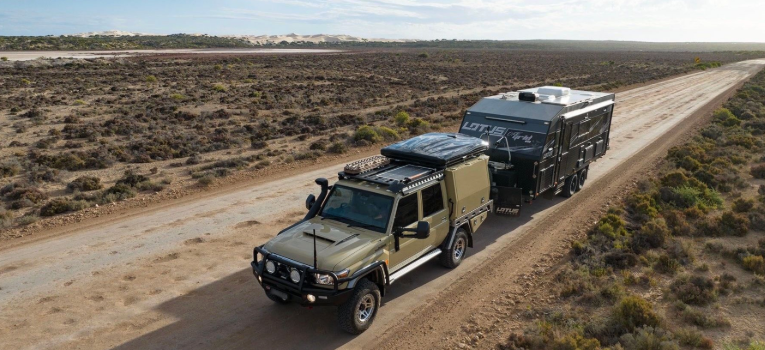
Adding a caravan, trailer, or heavy load on top of corrugation, dust and heat doesn't just add strain, it compounds it. Suspension components already working hard on rough roads have to manage additional weight, brakes and cooling systems work harder under load, and tyres carry more pressure and heat than they would unladen.
- Suspension and brakes should be inspected more frequently for vehicles regularly towing or carrying heavy loads
- Tow bar and coupling connections should be checked for wear, especially after corrugated or unsealed road travel
- Cooling systems need extra attention when towing in heat, since engines work harder to manage the additional load
- Have your setup assessed before a big trip if you're towing regularly on Territory roads, particularly if the vehicle wasn't originally set up with towing in mind
Lifted 4WDs and Aftermarket Setups: Added Risk Factors
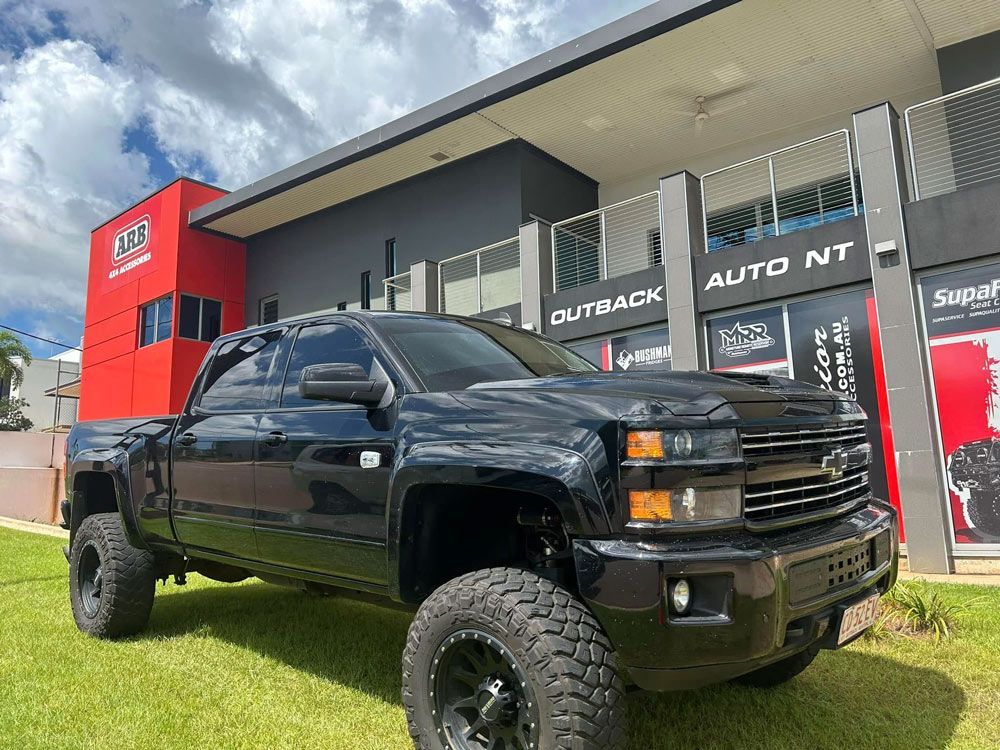
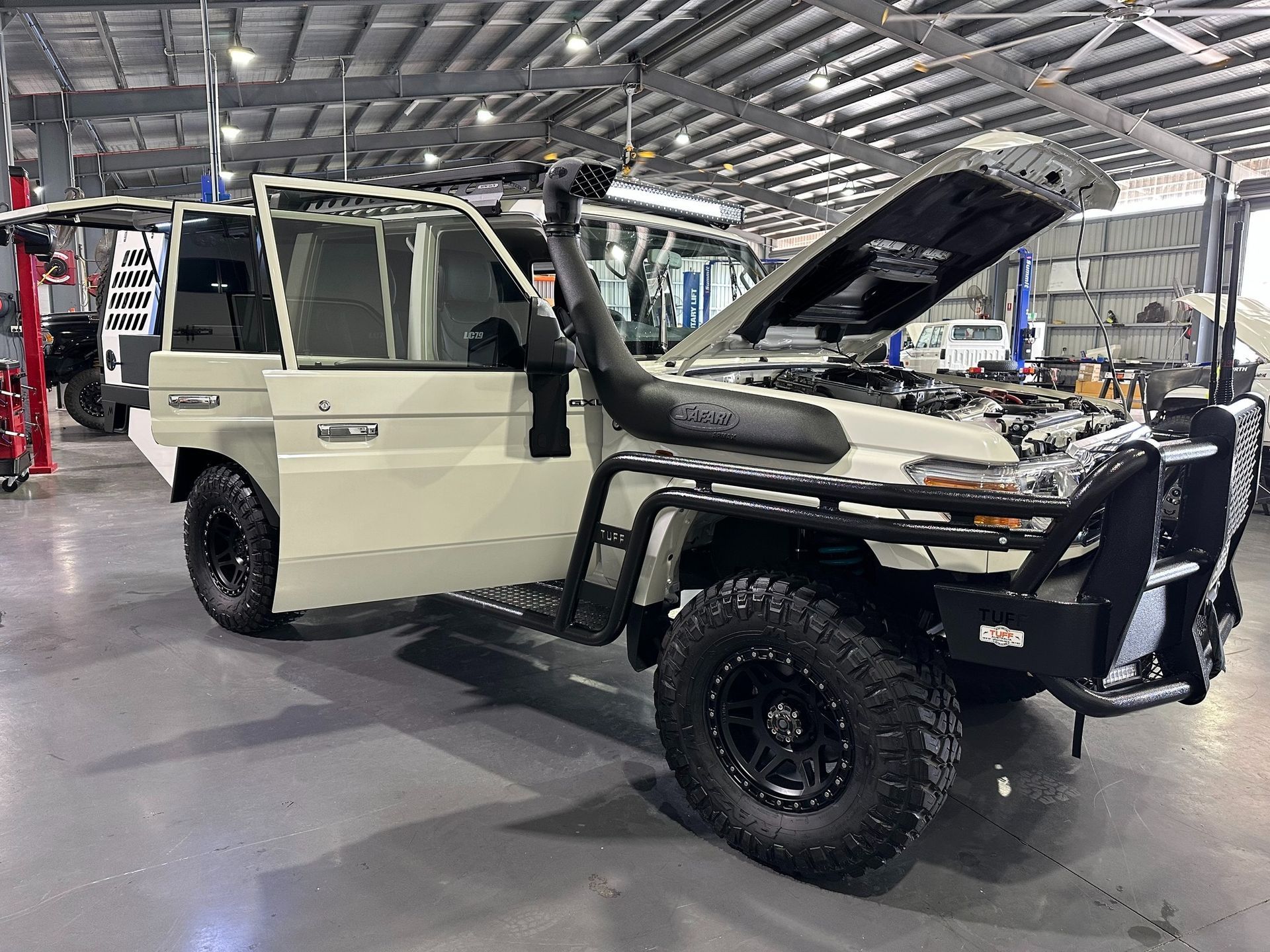
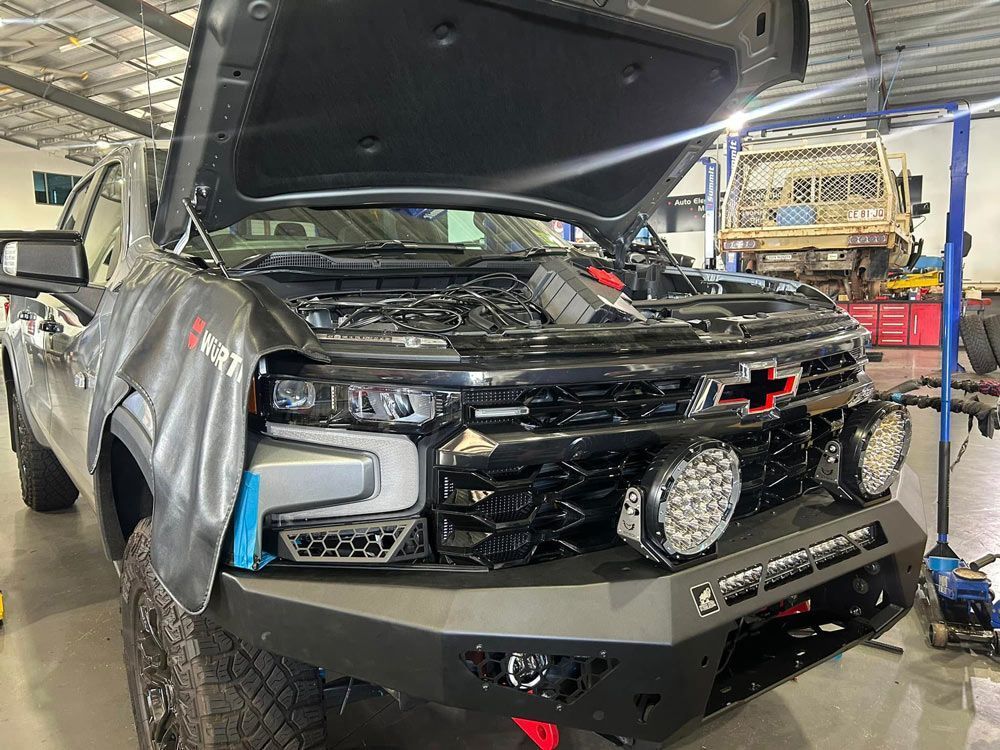
A lifted 4WD or one running aftermarket suspension and tyres often handles rough conditions differently to a stock vehicle, and not always in ways owners expect. Altered geometry, upgraded components, and non-standard tyre sizes can all change how a vehicle responds to corrugation, dust and heat, sometimes introducing new wear patterns that a stock setup wouldn't show.
- Aftermarket suspension components should be checked against manufacturer or installer specifications regularly
- Altered ride height can change how dust and debris reach seals and breathers, so these are worth checking more often
- Larger or non-standard tyres carry different pressure and heat considerations than factory-fitted tyres
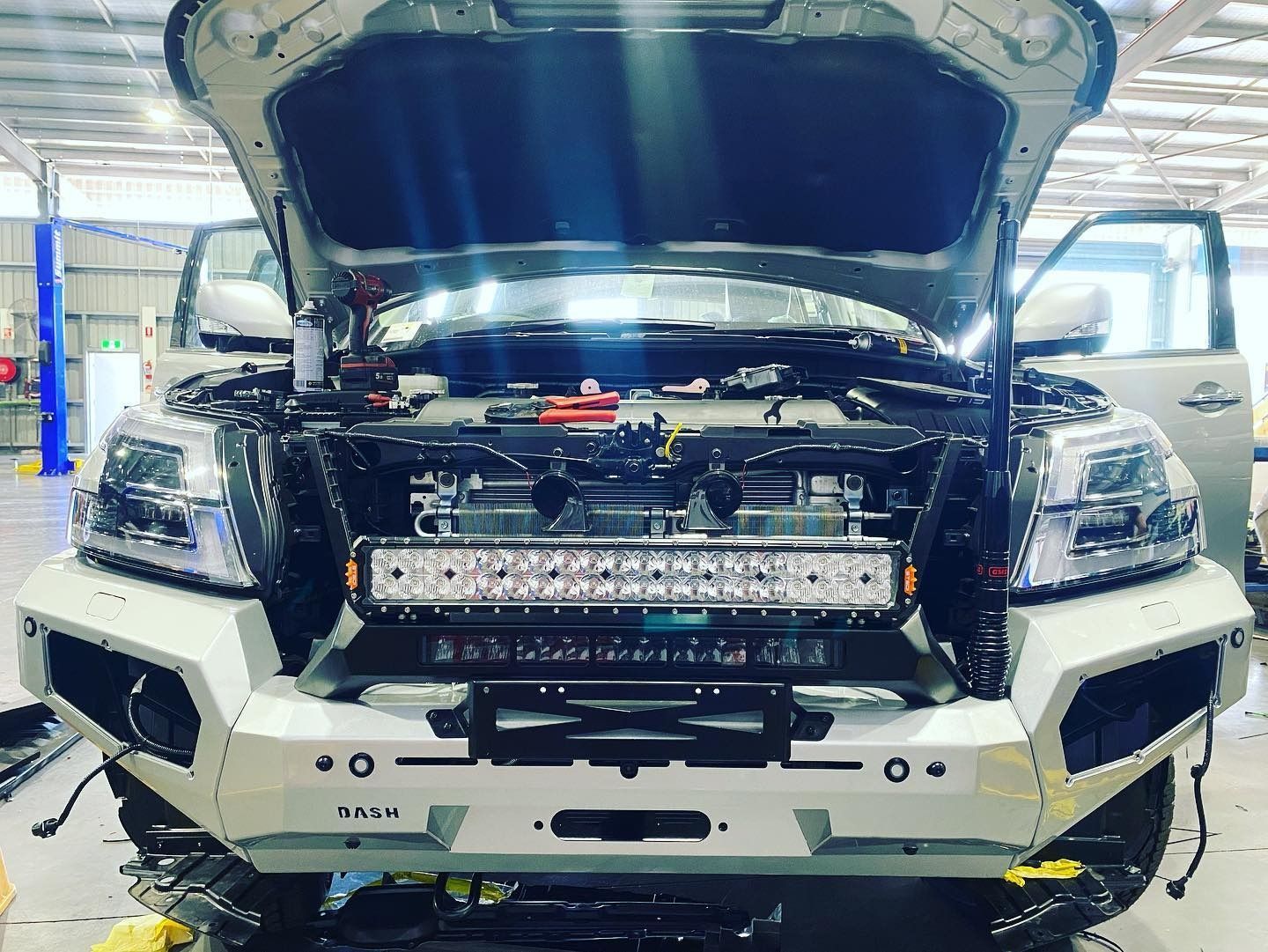
- Have aftermarket modifications reviewed periodically to confirm they're still performing as intended under real Territory conditions
Warning Signs You Shouldn't Ignore
Some signs are easy to dismiss as normal wear when they're actually early indicators of something more serious developing.
- New noises, rattles or vibrations that weren't there before a recent trip
- A vehicle that feels less stable or responsive on rough or unsealed roads than it used to
- Dashboard warning lights, particularly related to temperature, battery or tyre pressure
- Visible dust inside the cabin or around filters and seals after driving on dusty roads
- Uneven or accelerated tyre wear, especially if it's developed since your last service
Getting Ahead of Territory Road Damage
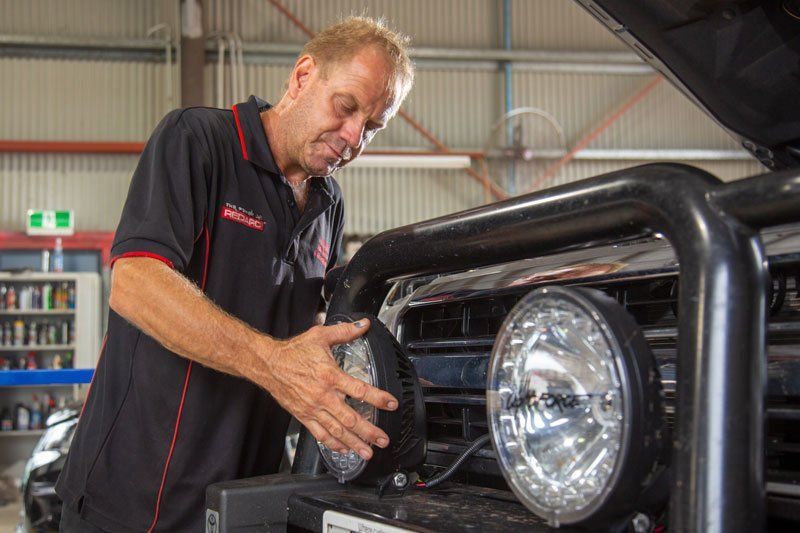
We at Outback Auto NT see this kind of wear every day, because we're out on the same roads our customers are. Corrugation, dust and heat aren't occasional issues here, they're part of daily driving in Darwin and across the Territory, whether you're commuting, towing a van up the track, or running a lifted 4WD out to a remote camp. Being a locally owned workshop means we're not guessing at what these conditions do to a vehicle, we're dealing with the same roads, the same dust, and the same heat ourselves.
If it's been a while since your vehicle had a proper inspection, or you're planning a longer trip on unsealed roads, it's worth getting ahead of any developing issues before they turn into a breakdown somewhere remote.
Get in touch with our
mechanics in Darwin to book a service or inspection, we'll check the things Territory roads actually put under strain, not just what a standard service schedule assumes.