How Darwin's Wet Season Affects Your Vehicle And What Mechanics Recommend
The build-up to the wet season in the Top End carries a kind of pressure that most southern Australians never experience. Humidity climbs, storm clouds stack up on the horizon and then, almost overnight, the rain arrives. For vehicle owners, the wet season is not just a change in weather — it is a change in driving conditions, road surfaces and the demands placed on almost every system in the car. What worked fine through the dry can start showing its age quickly once the rain sets in, and the vehicles that make it through without incident are almost always the ones that were prepared before the season started. This blog covers the ways the wet season affects your vehicle, what experienced local mechanics recommend to get ahead of the problems and what to keep an eye on once the rain is falling in earnest.
How Humidity and Heat Affect Electrical Systems
The combination of extreme heat and high humidity that precedes and accompanies the wet season is particularly hard on vehicle electrical systems. Moisture finds its way into connectors, junction points and sensor housings, creating the conditions for corrosion and intermittent faults that can be difficult to trace without the right diagnostic equipment.
Battery performance is one of the first areas affected. Batteries that are already marginal through the dry may fail entirely when wet season humidity accelerates the chemical processes that degrade their capacity. A battery that starts the vehicle reliably in cooler, drier conditions can leave you stranded once temperatures and humidity climb.
Key electrical concerns to address before the wet season:
- Battery testing and load assessment to identify cells that are approaching end of life
- Inspection of terminals and connectors for early-stage corrosion that can be treated before it causes faults
- Checking alternator output to confirm the charging system is keeping up with vehicle demands
- Sealing or replacing any exposed wiring or connectors that are already showing signs of moisture ingress
Auto electrical faults during the wet are harder to deal with than before it — workshops are busier, conditions make roadside breakdowns more dangerous and some electrical faults become intermittent in humid conditions, making them harder to reproduce and diagnose.
What Flooding and Water Crossings Do to Mechanical Components
Darwin's wet season brings more than rain — it brings flooded roads, submerged creek crossings and standing water that can hide significant depth. For 4WD drivers, water crossings are part of life during the wet. For commuters, unexpected floodwater on suburban roads presents its own set of risks. Water ingestion through the engine air intake is one of the more serious outcomes of an unexpected flood crossing. Even a brief instance of water reaching the intake can cause hydrostatic lock — water in the cylinders that the engine cannot compress, resulting in catastrophic internal damage. This is not recoverable without major engine work.
Beyond the engine, other mechanical systems are vulnerable to water exposure:
- Differential housings can draw in water as they cool after being submerged, contaminating the gear oil and accelerating wear on internal components
- Brake systems can trap water and debris, affecting pedal feel and braking performance immediately after a crossing
- Wheel bearings that are submerged repeatedly without regreasing can develop accelerated wear over a single wet season
- Exhaust systems and underbody components exposed to standing water develop surface rust faster than in dry conditions, particularly where protective coatings have worn through
For 4WD drivers making regular wet season crossings, a post-season inspection of differentials, wheel bearings and underbody components is as important as the pre-season preparation.
Tyre Performance on Wet Roads and Flooded Surfaces
Tyre condition matters all year, but the consequences of worn tyres become more immediate when road surfaces are wet. Standing water, slick bitumen and mud-covered sealed roads all demand more from tread depth and tyre compound than dry conditions do. Aquaplaning — where a film of water builds between the tyre and the road — becomes a risk at surprisingly modest speeds on wet surfaces when tread depth is inadequate. A tyre that is approaching the legal minimum of 1.5mm is significantly more vulnerable to aquaplaning than one with adequate tread, and the margin for error at highway speeds is narrow.
Wet season tyre considerations include:
- Checking tread depth across the full width of each tyre before the season begins
- Inspecting sidewalls for cracking or weather checking that may have developed through the dry season UV exposure
- Confirming tyre pressure is set correctly — both under and over-inflation reduce wet-weather grip
- For 4WD drivers who rotate between road and off-road use, assessing whether the current tyre pattern suits wet-season road conditions as well as off-road demands
Tyre replacement is worth scheduling before the wet rather than after the first incident that makes it obvious they needed attention.
Brakes, Suspension and Steering Under Wet Season Conditions
Braking distances increase on wet roads regardless of tyre condition, but brake system issues can make the situation significantly worse. Brake pads that are worn, rotors that have developed surface corrosion, or brake fluid that has absorbed moisture over time can all contribute to inconsistent or reduced braking performance. Suspension and steering components also face increased demands during the wet season. Corrugated dirt roads become slippery mud tracks, and 4WD drivers who navigate these conditions put lateral loads through ball joints, tie rod ends and control arm bushes that sealed road driving does not replicate.
Specific pre-wet season brake, suspension and steering checks worth prioritising:
- Brake pad thickness measurement and rotor inspection for uneven wear or scoring
- Brake fluid condition check — fluid that has absorbed significant moisture has a lower boiling point and is more prone to vapour lock under heavy use
- Ball joint and tie rod end assessment for play or wear that has developed over the dry season
- Shock absorber condition, particularly for 4WDs used on rough roads where wear is accelerated
Addressing these items before the wet means your vehicle is braking and handling as it should from the first day the rain falls, rather than discovering a problem in conditions where the margin for error is already reduced.
Air Conditioning and Cooling Systems in the Build-Up
The build-up period — those weeks before the wet when humidity climbs and temperatures stay elevated — places sustained demands on both the air conditioning and engine cooling systems. An air conditioning system that is underperforming or leaking refrigerant becomes genuinely uncomfortable in a Darwin summer, and an engine cooling system that is struggling creates risk of overheating during slow traffic in heavy rain.
Air conditioning issues to address before the wet:
- Refrigerant level check and regas if output is reduced
- Condenser and evaporator inspection for blockages or leaks
- Cabin filter replacement — a blocked cabin filter reduces airflow and makes the system work harder to achieve the same result
- Compressor belt inspection for wear or cracking
Engine cooling system checks:
- Coolant level and condition, including antifreeze concentration
- Radiator inspection for debris blockages, particularly after the dry season when insects and dust accumulate
- Hose condition, checking for softness, cracking or swelling that indicates deterioration
- Thermostat function, confirming the system reaches and maintains the correct operating temperature
Rust, Corrosion and Underbody Protection
Rust is a slower threat than a flooded crossing or a battery failure, but it is no less damaging over time. Darwin's combination of coastal salt air, wet season humidity and the physical abrasion of off-road driving creates conditions where underbody corrosion can develop faster than it would in many other Australian cities. Vehicles that are regularly driven on dirt roads during the wet season pick up mud that holds moisture against metal surfaces for extended periods. Underbody protection that has been chipped or worn through provides no resistance, and once rust establishes itself in structural components, the repair cost climbs quickly.
Corrosion protection worth considering before the wet:
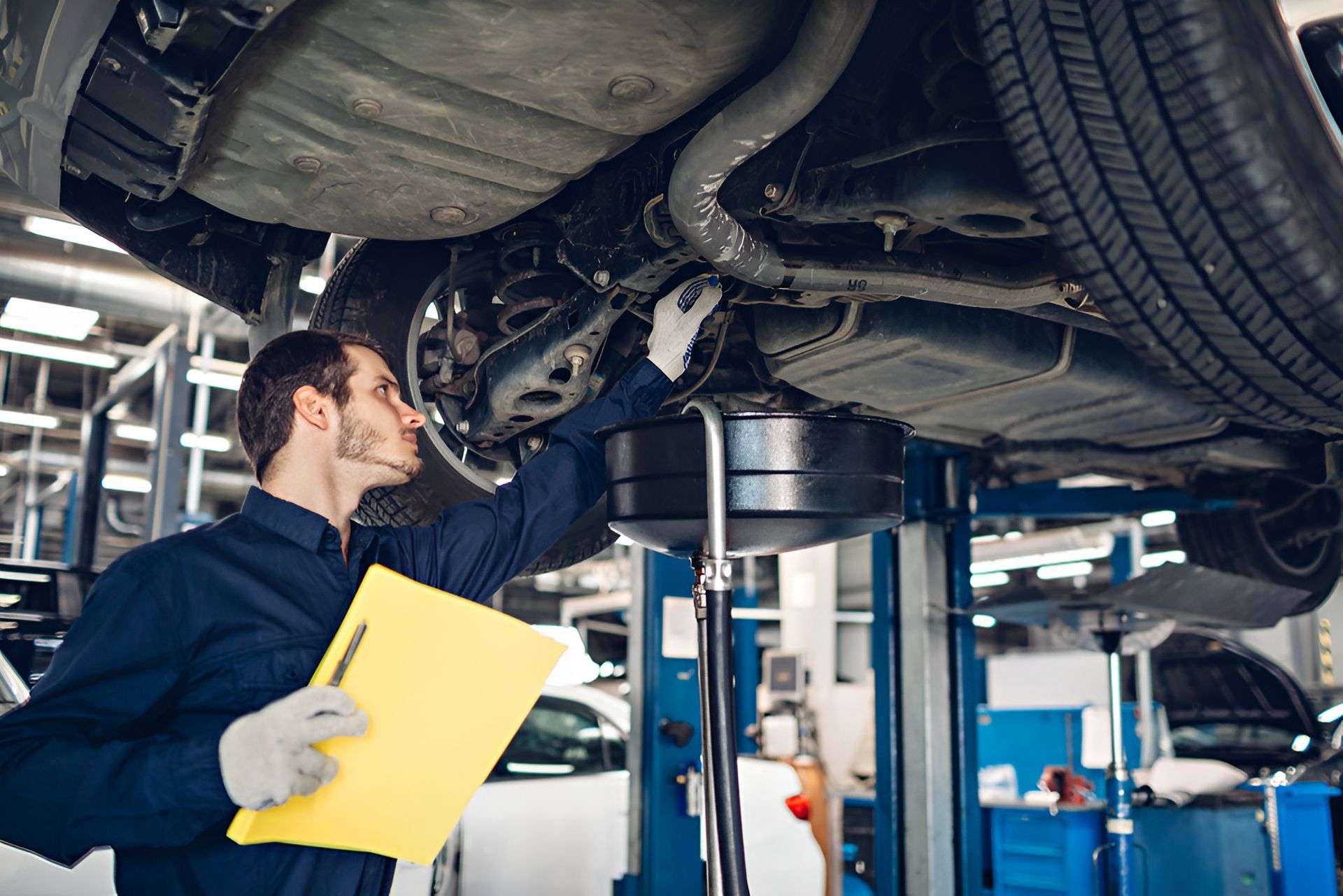
- Underbody inspection for rust spots, particularly around chassis rails, suspension mounting points and brake lines
- Reapplication of underbody coating where existing protection has worn through
- Checking wheel arch liners for cracking or missing sections that allow debris and moisture to contact the body panels directly
- Drain hole inspection on doors and sills to ensure they are clear and not trapping water
Preparing a 4WD for Wet Season Off-Road Driving
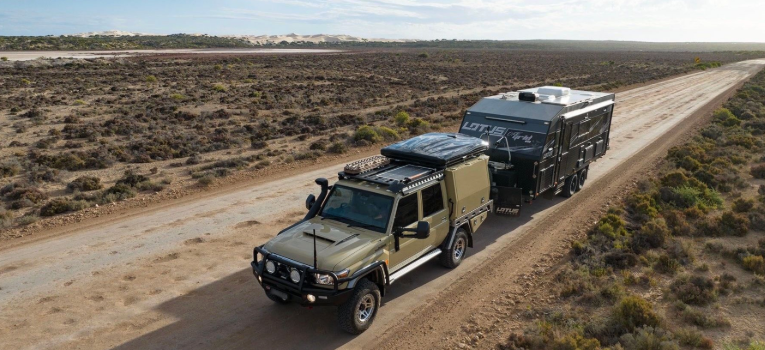
For 4WD drivers heading into more remote areas during or around the wet season, preparation goes beyond standard maintenance. The consequences of a mechanical failure in a remote location are significantly more serious than in an urban breakdown scenario, and the conditions that cause failures — deep water, heavy mud, corrugated tracks — are precisely what remote wet season driving involves.
Specific 4WD preparation worth addressing with a mechanic before the season:
- Differential breathers, which prevent moisture from being drawn into axle housings during submersion — these should be extended and positioned above likely water entry levels
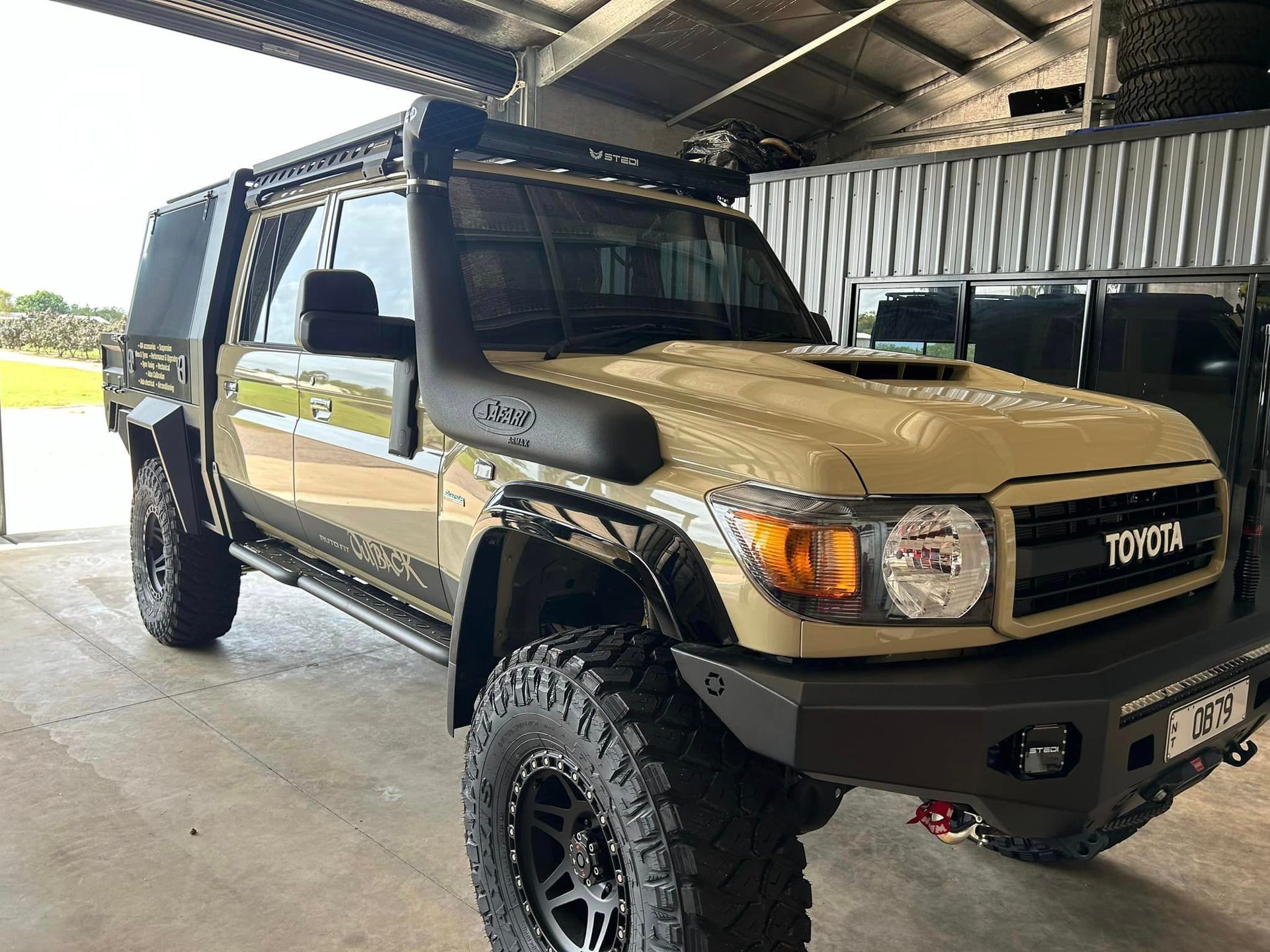
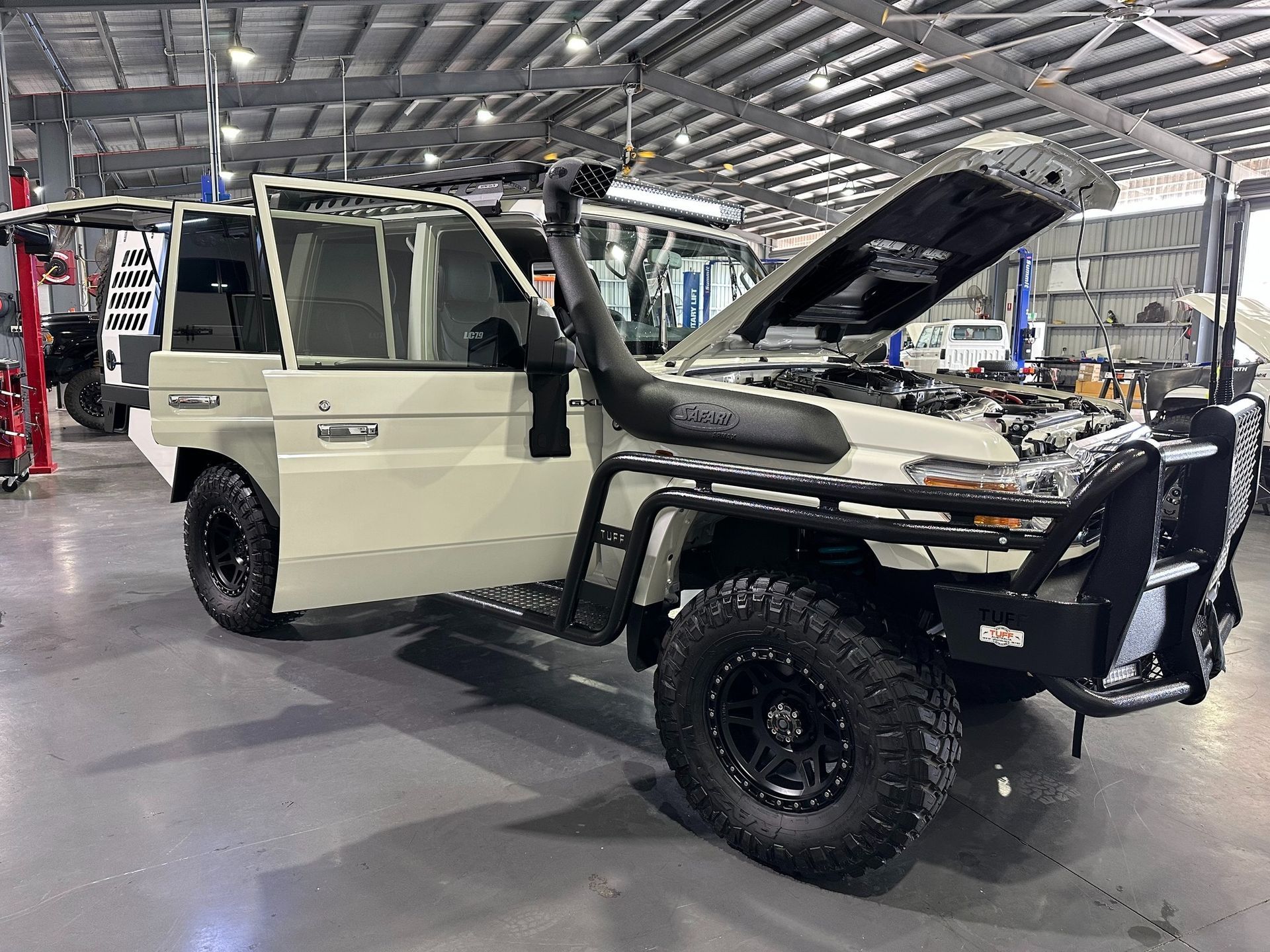
- Snorkel condition and sealing, to confirm the intake is positioned above the vehicle's stated wade depth and that all joins are secure
- Recovery equipment inspection, including winch cable or rope, shackles, and any electrical components
- Pre-trip inspection covering all the above alongside fuel system, cooling system and tyre condition before heading into remote areas
A pre-trip vehicle check with a mechanic familiar with Territory conditions and remote travel demands is one of the most practical preparations a 4WD driver can make before heading out of range.
When to See a Mechanic Before the Wet Season Starts
The right time to address wet season preparation is before the first significant rain, not after. Workshops are busier once the wet season is underway, and some of the issues that develop during the season — electrical faults from moisture ingress, cooling system failures under sustained load — are more disruptive to deal with once conditions are already challenging.
Warning signs that indicate a vehicle needs attention before the wet:
- Battery that is slow to turn the engine over, particularly in the morning
- Dashboard warning lights that have appeared since the last service
- Any coolant loss, oil leaks or unusual fluid levels
- Brake pedal that feels soft or inconsistent
- Air conditioning that is not maintaining cabin temperature effectively
- Visible underbody rust or damage to protective coatings
A pre-wet season service that covers the areas discussed above gives vehicle owners confidence that their vehicle is ready for what the season brings — whether that means daily commuting on wet suburban roads or more demanding off-road conditions in the Territory.
At
Outback Auto NT, we have been servicing vehicles across Darwin since 2013 and understand how the wet season affects vehicles in the Top End differently from anywhere else in Australia. Our team includes qualified mechanics and auto electricians who work with everything from daily commuters to expedition-built 4WDs, and we use the latest diagnostic technology to identify issues before they become breakdowns. If your vehicle is due for a pre-wet season service and you are looking for
mechanics in Darwin who understand Territory conditions, visit
Our Website or call us on
(08) 8988 3317 to book today. We are easy to find and happy to help — whether you are a local or new to the area searching for a reliable
mechanic near me.